Top 10 Tips For Currency Conversion Rates And Fees
Currency conversion fees have become increasingly crucial to financial transactions in a globalized market, regardless of whether you're travelling abroad, doing business internationally or managing investments with foreign currencies. These charges can be wildly different depending on the supplier, the methods of exchange, as well as the currencies used. Understanding the best way to negotiate these fees can help you make educated decisions and save you money. Here are the top ten detailed tips on currency conversion fees that will benefit travelers as well as investors, companies, and business alike.
1. Learn about the different types of currency Conversion Fees
Currency conversion charges can take different varieties. These include transaction fees as well as service fees. Transaction fees are set for each exchange. Service charges could comprise a percentage of the amount converted. Markups on exchange rates occur when the service provider provides rates that are not as advantageous than the market. Find the best solutions to meet your needs by becoming knowledgeable with these fees.
2. Compare rates from a variety of providers
When you are considering changing currency is essential to check rates from multiple providers. Fee structures and exchange rate are often different between banks, currency kiosks and online platforms. You can examine rates and fees in real-time by using tools for currency conversion. This will help you get the best price and also save money, particularly when you're trading huge amounts.
3. Find exchange rates that are free
Some financial institutions and banks offer accounts that include free currency conversion or reduced costs on certain transactions. Certain fintechs and online banks provide free currency conversions to account holders. If you work with the foreign currency frequently you might want to consider opening a bank account with one of these institutions. This can help you save money on unnecessary fees.
4. Beware of fees that are associated with Dynamic Currency Conversion.
If you use your credit or debit card in another country, you could be offered the possibility to pay in your home currency by using a program called Dynamic Currency Conversion. While this may be convenient, it can often result in increased conversion costs or poor exchange rates. Pay locally whenever possible to avoid additional fees and get the best rate.
5. Credit cards should not charge foreign transaction fee
Choose credit cards that don't charge foreign transaction fees when you are traveling to save the cost of your travel. This benefit is provided by a variety of travel-related credit cards. You can purchase abroad without paying additional fees. Choose a credit card that suits your needs and offers favorable exchange rates. This will help you cut down on expenses while traveling.
6. You can withdraw money from ATMs.
You can obtain better exchange rates by using ATMs instead of currency exchange kiosks. But, you should be aware of any fees that may be due to both your bank as well as the ATM operator. Choose ATMs that are associated with your own bank to reduce charges. Always make withdrawals in the local currency.
7. Plan in Advance to convert currency
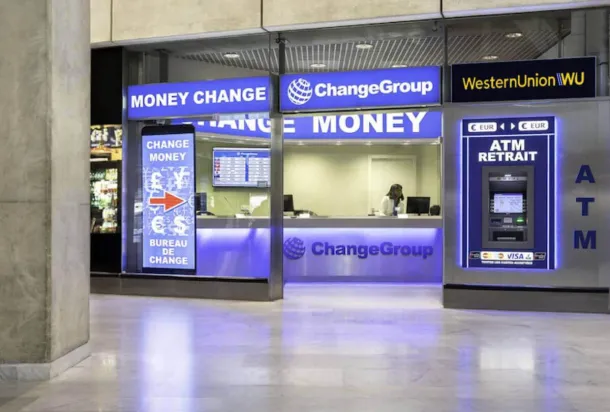
Avoid changing currency in tourist areas or airports. Charges tend to be higher. You can save money by preparing your currency exchanges ahead of time. You can exchange a small sum before your trip to pay for immediate expenses. You can then make a bigger change once you are at a favorable rate.
8. Monitor Trends in Exchange Rates
Be aware of developments in exchange rates to decide the best time to change your currency. The fluctuations in exchange rates can affect the cost of fees and charges. If you keep track of these trends it is possible to determine the best time to convert. Make use of information from financial news and historical data as a guide to help you make the right decisions.
9. Include hidden charges into your transactions
Be aware that certain providers may have hidden fees that aren't readily apparent. These could include charges such as service fees and maintenance charges on accounts with foreign currencies. You should always be sure to read the fine print and ask questions to fully comprehend the charges associated with converting currencies. This will help avoid unexpected charges and help you make better financial decision-making.
10. Contact Financial Experts for Large Transactions
If you are planning to conduct large-scale transactions or handle complex currency exchanges, it might be beneficial to speak with financial experts. Specialists in currency are able to provide insight into best practices to improve the efficiency of transactions and decrease conversion fees. This is especially important to companies involved in international trade as well as investors seeking to manage the exposure to currency.
The following tips will help you navigate the complexities and pitfalls of exchange rates. This is the case whether you're traveling abroad, doing international business or managing your investments in foreign currency. Understanding conversion fees can help you make more informed financial decisions that achieve your personal and business objectives, saving you money. See the best https://prazskamincovna.sk/usdaud/ for site examples including mexican peso to usd, us dollar to rmb, colombian peso to usd, usd to rs, exchange rate, us dollar to rupees, canadian dollar to usd, rs to usd, dollar to php peso, 1 us dollar in indian rupees and more.
Top 10 Tips For The Subject Of Regulatory Considerations Regarding Exchange Rates And Currency
Understanding the regulatory environment is essential for anyone who conducts international business, travels or manages investments. Regulations differ greatly from one country to the next and can impact everything such as customs duties, currency exchange taxes, trade compliance. Knowing these rules is essential for ensuring compliance, avoiding fines, and maximizing the financial benefits. By familiarizing yourself with the regulatory landscape and making informed choices that will enhance your travel experiences, simplify your business processes and secure your investments. These are the most specific strategies to efficiently manage regulatory considerations when it comes to your financial activities.
1. Research Visa and Entry Requirements
– Research the visa requirements and entry requirements of a foreign destination prior to your departure. Different countries have varying rules regarding visas, entry permits, and the requirements for residency. Be sure to have all required documentation to avoid issues at the immigration. Be aware of any changes in the past that could affect your travel. Many countries updated their regulations in response to events around the world, like the COVID-19 epidemic.
2. Customs Regulations
Know the rules and regulations applicable to the country you're traveling to, including the import restrictions and exports. Every country has its own rules regarding what goods can be imported into the country, without paying duty or taxes. Infractions to these rules could result in fines or confiscation of goods or even legal actions. Keep in mind that many countries will require you to declare cash over the amount of.
3. Be aware of the Foreign Currency Regulations
Different countries regulate exchange of currency and transfers of foreign currency. Find out about the rules for currency exchange in the country you are visiting or doing business with, because there may be restrictions regarding the amount you can transfer or exchange. Understanding these regulations will assist you in avoiding penalties and ensure the compliance of local laws.
4. Consult with Local Legal Experts
Get local legal experts to understand the regulatory landscape if you're conducting business abroad. They can give valuable insights about local laws and compliance requirements, as and the potential risks that could be posed to your business. This information will assist you navigate through the maze of laws and regulations, as well as help avoid costly mistakes.
5. Stay up-to-date on tax obligations
Tax laws vary greatly from one country to another that affect both businesses and individuals. If you're planning to travel or work abroad, be aware of your tax obligations, which include income taxes, value-added taxes (VAT), and any withholding taxes. It is also important to know of any tax agreements between your country of origin and the country you are visiting. These could affect the tax obligations you face.
6. The compliance with Trade Regulations
If your business is involved in the export or importation of goods, you have to adhere to all applicable trade regulations. This includes tariffs on imported goods and import quotas, as well in licensing requirements. In the event that you don't adhere to these rules it could result in penalties as well as delays in the shipping. Talk to an expert in trade compliance for insights on the specific rules that are applicable to you and your products.
7. Check for changes to regulatory environments.
The regulatory environments can change rapidly due to political, economic or social issues. Keep yourself informed of any changes that might impact your business, travel, or investments by subscribing to relevant news sources, industry newsletters, or regulatory updates. By taking a proactive approach to compliance will allow you to adjust to new regulations.
8. Investment Regulations and Investment Regulations
Understanding the regulatory environment of the country in which you are planning to invest is crucial for investors. Different jurisdictions have different rules for foreign investment, including restrictions on ownership percentages, reporting requirements, as well as investment vehicle regulations. The rules should be thoroughly researched to avoid any penalties and ensure your investments are in line with local laws.
9. Use Compliance Software and Tools
You should consider using tools and software specifically designed to aid businesses and individuals with navigating regulatory requirements. These platforms assist with the management of documents, keeping track of regulatory updates, and ensuring industry compliance. Investing in tools that assist you in complying with regulations can simplify your business and minimize the risks of non-compliance.
10. Local Business Networks: Engage in Local Business Networks
– Networking with local business groups and organizations can provide important insights into regulatory issues. Participating in local chambers of commerce or trade associations industry groups can allow you to connect with professionals who have experience in navigating the regulatory landscape. These contacts might be able to offer advice and assistance in complying with local regulation.
Utilize these suggestions to help you navigate the complexities of business travel, travel, and investment monitoring more efficiently. Knowing the regulatory landscape will empower you to make informed decisions which are compatible with your goals, ultimately enhancing your overall experience and financial strategy. Understanding the regulatory environment regardless of whether you're planning a vacation, expanding your company overseas, or looking to invest in another country, will help you avoid mistakes and achieve success. Have a look at the best eur huf recommendations for blog examples including us dollar to rupees, colombian peso to usd, vnd to usd, cdn to usd, aed to usd, usdthb, convert euro to usd, us dollar to japanese yen, pound to dollar, php to dollar and more.